A hardcover photo book is the better choice for keepsakes you will revisit for decades — weddings, baby years, family archives. A softcover photo book wins on price, weight and postability, which makes it the smarter format for holiday albums, yearly round-ups and duplicate copies. Neither is better outright; the right answer depends on the job.
The cover is the first decision every photo book builder asks you to make, and most people click one without knowing what it actually changes. It changes more than the feel in your hands: the binding method, the page options available to you, how the book survives a decade of handling, and even what it costs to post to a grandparent.
This guide compares the two formats the way a printer would — construction, paper, durability, cost and delivery — using real UK prices checked in August 2026. By the end you will know which cover suits which project, whichever company you order from.
The short version
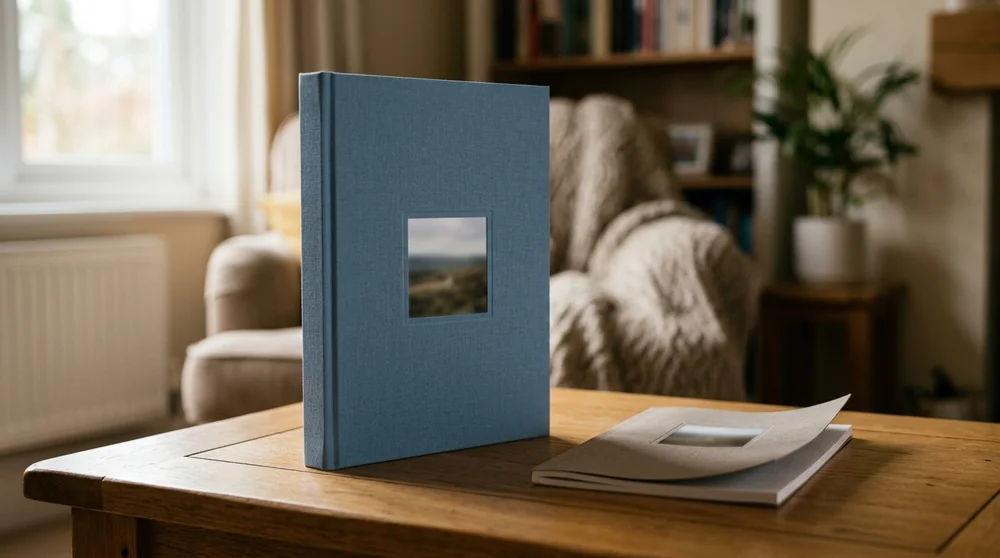
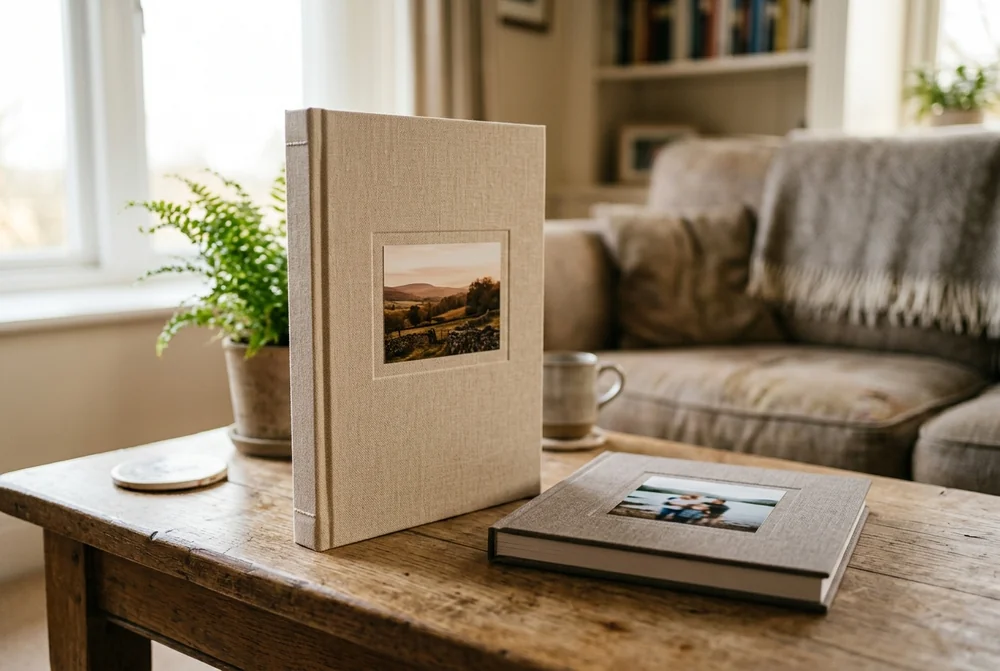
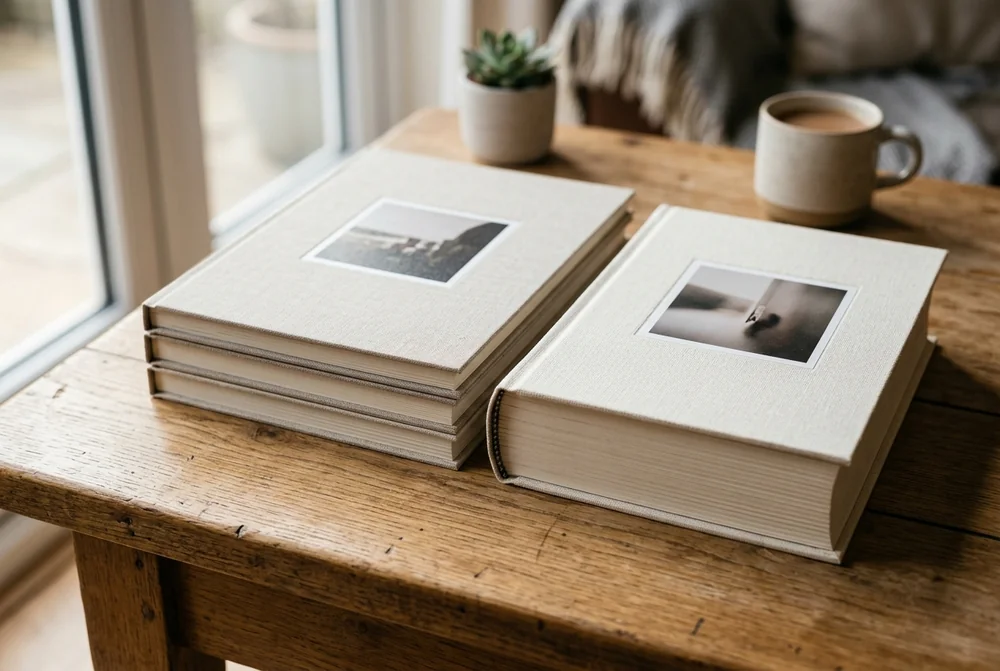
Hardcover photo books are built for permanence. Rigid boards protect the pages, the spine holds its shape for decades, and the format suits weddings, milestone birthdays and family archives. At MYPICTURE, hardcover binding is available on every size from A5 up to A3.
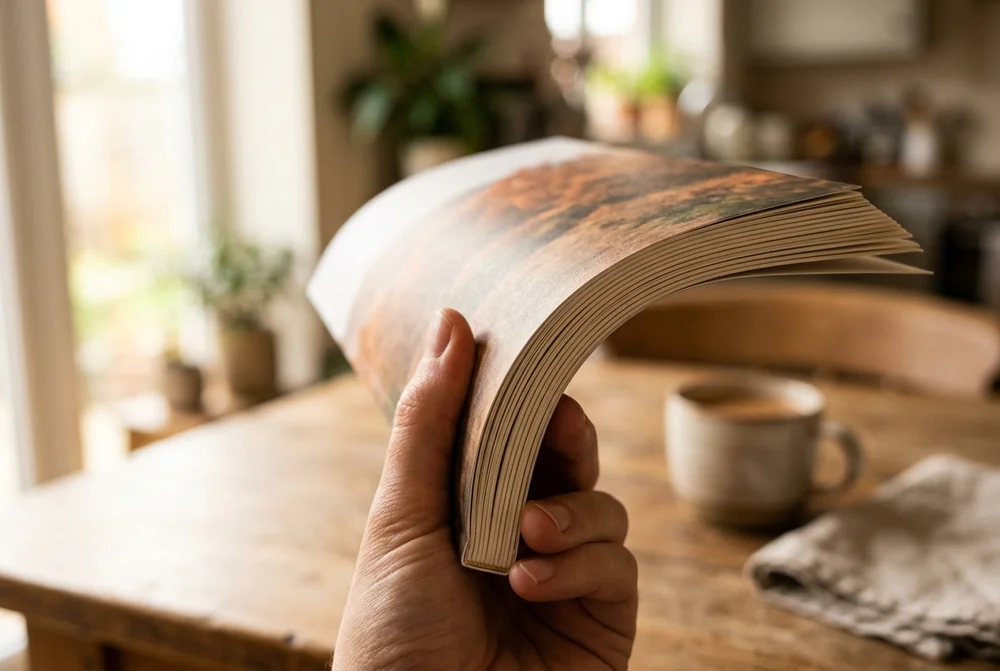
Softcover photo books are lighter, cheaper and easier to share. The flexible card cover feels like a premium magazine, packs flat in a suitcase and costs less both to buy and to post.
Prices start from £8. A MYPICTURE A5 photo book starts at £8 and an A4 at £12, with hardcover, softcover, ring-bound and booklet bindings depending on format. Comparable books at Snapfish and Photobox start at £8–£12.99, before any codes.
The layflat rule most guides get wrong. At several UK services, layflat pages are a hardcover-only upgrade. At MYPICTURE, layflat construction comes as standard with the photographic print option on hardcover and softcover books alike.
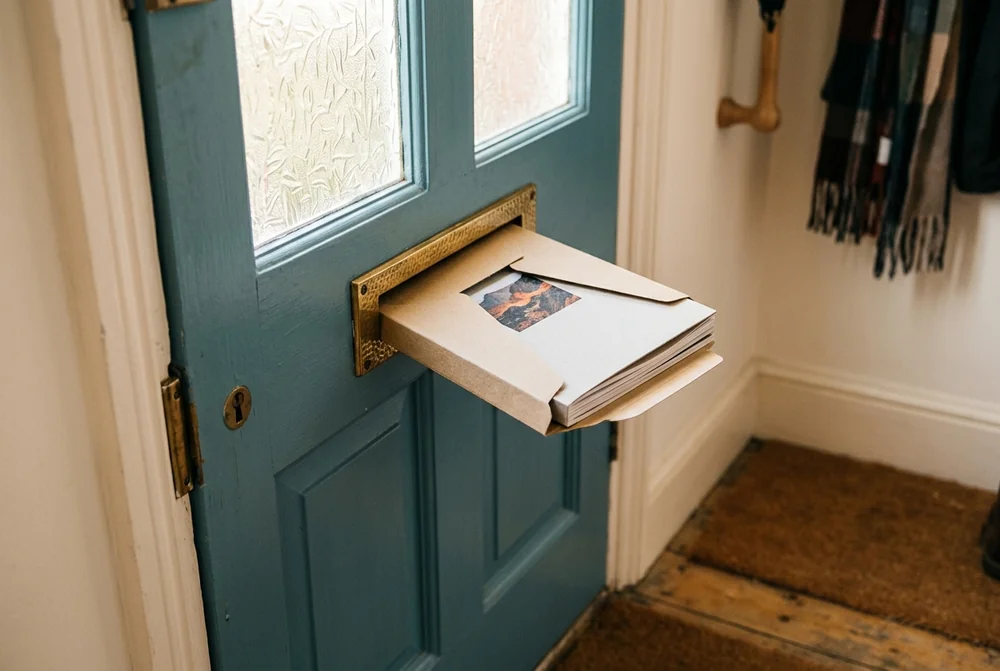
Postage is the hidden difference. A slim A5 or A4 softcover can travel as a Royal Mail Large Letter (up to 2.5cm thick, 750g); a hardcover is almost always a Small Parcel, which costs noticeably more to send on.
Whichever you choose, keep the finished book out of direct sunlight — colour prints fade with long light exposure, whatever the cover protecting them.
Why the cover decision still matters
A photo book usually outlives the phone whose camera roll filled it, and the cover is the part doing most of the surviving. Every open, every shelf, every house move is absorbed first by the cover and spine, and only then by the pages. If you are new to the format, our guide to what a photo book is covers the basics.
There is a preservation argument too. The US National Archives' guidance on preserving family photos notes that photographs — especially colour and digital prints — fade if exposed to light for long periods. A closed book already protects its own pages far better than a frame or a fridge door; a rigid cover simply protects them for longer, through more handling.
Hardcover photo books: what they do well, and where they struggle
A hardcover photo book binds the pages to a rigid board cover, the same construction as a traditional hardback. MYPICTURE personalised photo books offer hardcover binding on all five sizes — A5, A4, A3, 20 x 20cm and 30 x 30cm — with prices from £8 for A5, £12 for A4, £30 for 30 x 30cm and £65 for A3. Page counts run from 14 to 248 depending on format, and you choose between digital print on 170gsm satin paper or photographic print on archival-grade photo paper in a matt or gloss finish.
The strengths are structural. The boards stop pages bending, the spine holds its square shape however often the book is opened, and the whole object sits upright on a shelf and flat on a coffee table. For the largest formats the choice is made for you: MYPICTURE's A3 and 30 x 30cm books come in hardcover only, because pages that size need a rigid frame to hang from. A hardcover also carries more weight as a gift — the recipient can feel the difference before they open it.
The honest weaknesses: a hardcover costs more, weighs more and takes up more shelf space, and for a casual holiday album that extra build is often paying for protection the book will never need. It is also worth conceding that on pure quality reputation, CEWE remains the name UK reviewers rank first for photo books — the reason to buy elsewhere is value, not because the premium option is bad. If durability is the priority but budget is tight, a smaller hardcover usually beats a larger softcover.
Softcover photo books: what they do well, and where they struggle
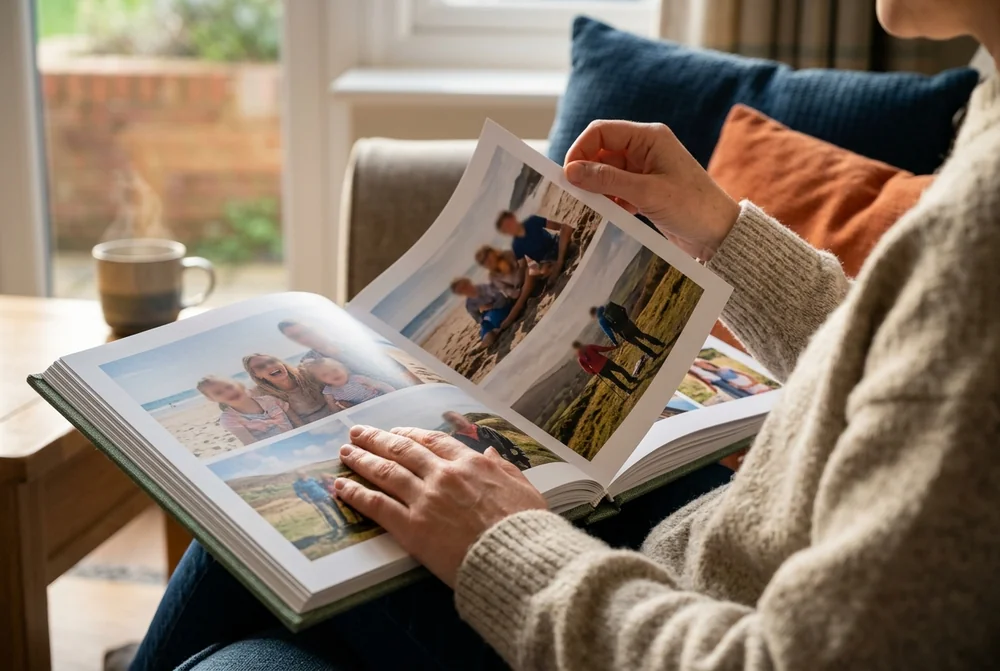
A softcover photo book uses a flexible printed card cover, closer in feel to a high-quality magazine than a paperback novel. At MYPICTURE, softcover binding is available on the A5, A4 and 20 x 20cm formats, with the same two print options as the hardcover — and if you create a photo book with the photographic print option, layflat construction comes as standard on the softcover too.
The strengths are practical. A softcover is lighter to hold, thinner to store and cheaper to buy, which changes the maths entirely when you want multiple copies — one for you, one for each set of grandparents. It bends rather than dents, packs into hand luggage without protest, and a slim A5 or A4 copy under 2.5cm thick posts as a Royal Mail Large Letter rather than a parcel. For yearly family albums, travel diaries and school-year books, that flexibility is the point.
The trade-offs are real but manageable. The cover can pick up creases and curl at the corners with rough handling, the glued spine offers less protection over decades of heavy use, and the format tops out at A4 — there is no softcover option for A3 or 30 x 30cm books. A softcover on a shelf also announces itself less; if the book is meant to be displayed rather than passed around, that matters. Our guide to glossy vs matte photos helps with the finish decision either way.
Hardcover vs softcover: side by side
Hardcover photo book
Softcover photo book
Price from (MYPICTURE)
£8 (A5)
£8 (A5)
Sizes available
A5, A4, A3, 20 x 20cm, 30 x 30cm
A5, A4, 20 x 20cm
Protection
Rigid boards, square spine, decades of handling
Flexible card, fine for regular use, creases under abuse
Weight and feel
Substantial, gift-weight
Light, magazine-feel
Layflat pages
Standard with photographic print
Standard with photographic print
Duplicate copies
Costly to multiply
Built for multiples
UK postage onwards
Small Parcel
Large Letter if under 2.5cm thick
Best for
Weddings, milestones, archives, display
Holidays, yearbooks, sharing, travel
The table is a division of labour, not a scoreboard. The hardcover is the archive format; the softcover is the circulation format. Most families who print regularly end up owning both, for different jobs.
Which costs less? A worked example
Take a near-A4 landscape book and price the same project both ways. At Photobox, the Large Landscape 28 x 21cm book lists at £43.99 in hardcover and £32.99 in softcover — an £11 premium, or 33%, for the boards. At Snapfish, current promotional pricing narrows the gap to under £1 (£10.80 hardcover against £10.00 softcover), though list prices sit at £26.99 and £24.99. A MYPICTURE A4 photo book starts at £12 at the minimum page count, in either binding. Prices checked August 2026; every service in this market discounts constantly, so treat all figures as starting points.
What does the hardcover premium buy? Board, cloth-or-print wrap, and a bound spine — the components that keep the book square in year ten. If the book is a one-off keepsake, that is money well spent. If you are printing three copies of the family yearbook, the softcover saving multiplies: at the Photobox list prices above, three softcovers cost less than £99 against £132 for three hardcovers, and the difference buys a fourth book.
How to make either cover last
The enemies of a printed book are light, damp and pressure — and they attack the two covers differently.
Light fades pages, not covers. Direct sunlight is the fastest way to age any print; the National Archives' family-photo guidance singles out colour and digital prints as the most vulnerable. Shelve books away from south-facing windows.
Damp warps boards and curls card. A hardcover's boards can bow permanently in a humid room; a softcover's cover curls but often recovers. Avoid bathrooms, cellars and lofts for either.
Pressure is the softcover's weakness. Never stack heavy items on a softcover book — the cover takes the impression. Store both formats upright, supported, the way a library would.
Hands do less damage than people fear. Clean, dry hands are fine for both formats. The gloss photographic pages show fingerprints more readily than satin; a soft dry cloth removes them.
A three-question test to settle it
1. Will this book still be opened in ten years' time? If yes, hardcover — the boards and bound spine are what make year ten look like year one.
2. Are you printing more than one copy? If yes, softcover — duplicates are where the per-book saving multiplies fastest.
3. Is the book going in the post after it arrives? If yes, softcover — a slim A5 or A4 copy travels as a Royal Mail Large Letter, while a hardcover always needs a parcel rate.
If your answers split, split the order: print the milestone copy in hardcover for the shelf and the duplicates in softcover for the postbox. Our step-by-step guide on how to make a photo book walks through the rest, and for panoramic spreads across both formats, see layflat photo books explained.
Why Choose MYPICTURE Over Other UK Photo Printing Services?
MYPICTURE competes on price and says so: photo books from £8, a Lowest Price Guarantee that beats any like-for-like UK price by 5%, and free delivery on orders over £49. Every book is printed and bound in the UK, with total delivery in 5–9 working days. The comparison below covers the dimensions where the difference is material — it is scoped, not a verdict on everything.
Buyer's guide
MYPICTURE
Photobox
Snapfish
Photo book from
£8 (A5)
£12.99 (10 x 10cm softcover)
£8.00 (A5 papercover, sale)
Maximum pages per book
248
120
150
Layflat pages
Standard with photographic print, hardcover and softcover
Hardcover only, +£0.45 per page
Separate layflat range, from £14 (sale)
Lowest Price Guarantee
Beats any like-for-like UK price by 5%
Not advertised
Not advertised
Customer rating
4.92/5, 169,000+ reviews (Trusted Shops)
4.1/5, 155,238 reviews (Trustpilot)
4.3/5, 172,255 reviews (Trustpilot)
Whichever cover you land on, the format decision matters more than the logo on the box — and a company willing to beat any like-for-like UK price by 5% is effectively doing the comparison shopping for you.
Frequently asked questions
Which is better, a hardcover or softcover photo book?
Neither is better in every case. A hardcover photo book is better for keepsakes that will be handled for decades — weddings, baby books, family archives — because the rigid boards and bound spine protect the pages. A softcover photo book is better for holiday albums, yearbooks and duplicate copies, because it costs less, weighs less and posts as a Royal Mail Large Letter when under 2.5cm thick.
What is the difference between a hardcover and softcover photo book?
The cover construction. A hardcover photo book binds the pages to rigid boards, so it holds its shape, stands upright and survives decades of handling. A softcover photo book uses a flexible printed card cover, similar to a premium magazine, which makes it lighter, thinner and cheaper. At MYPICTURE, both bindings take the same digital or photographic print options, and layflat pages come as standard with photographic print on both.
What are the disadvantages of hardcover photo books?
Cost, weight and bulk. A hardcover typically costs more than the same book in softcover — at Photobox the like-for-like gap on a 28 x 21cm book is £11 at list prices. Hardcovers are also heavier to transport, always travel as a parcel rather than a Large Letter, take up more shelf space, and the largest formats cannot be folded into hand luggage. For casual albums, that extra build often goes unused.
Can you get layflat pages in a softcover photo book?
At MYPICTURE, yes. Choose the photographic print option on a softcover A5, A4 or 20 x 20cm photo book and layflat construction comes as standard, so double-page spreads lie level with no photo lost in the spine. At several other UK services, layflat is restricted to hardcover books or charged as a per-page upgrade, so check before assuming a softcover rules it out.
Is a softcover photo book cheaper to post?
Usually, yes. A slim A5 or A4 softcover under 2.5cm thick and 750g qualifies as a Royal Mail Large Letter, while a hardcover's rigid boards almost always push it into the Small Parcel category, which costs noticeably more. If you plan to make a photo book and send it on to family, the softcover saves money twice — once at checkout and once at the post office.