Living Room Wall Decor Ideas UK | Styling British Homes with Character
 by Peter Parker
 5 Minutes
British homes possess a character quite unlike any other. From Victorian terraces with their original cornicing and picture rails to post-war semis with generous bay windows, from converted Georgian townhouses to contemporary new builds – each presents unique opportunities and challenges for wall decor. Understanding how to dress these walls while respecting their architectural heritage is an art form in itself. The British approach to interior design has always balanced tradition with individuality. We honour the bones of our homes while making them unmistakably our own. This guide explores how to select and position living room wall decor that complements the specific character of British properties, whether you're working with period features or creating character in a modern space. From selecting appropriate sizes for typically more intimate British proportions to navigating the practicalities of picture rails and period plastering, we'll cover everything you need to transform your living room walls into a reflection of your personal style.
Understanding British Architectural Context
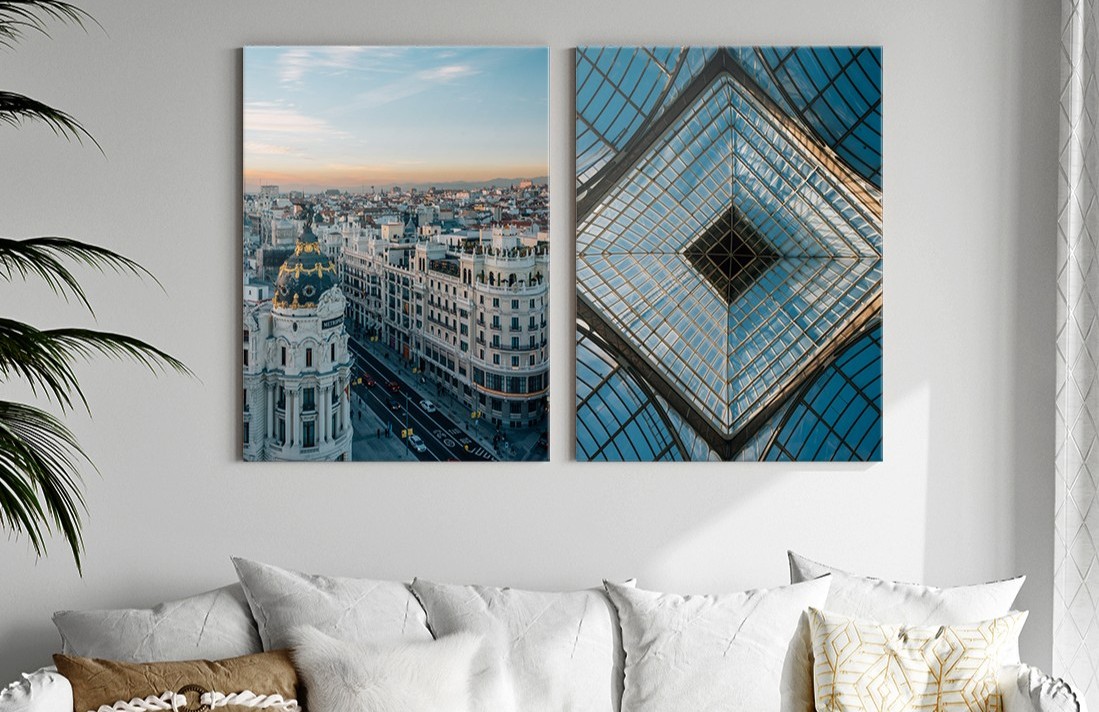
Before selecting wall decor, it's worth understanding what makes British homes distinctive. Our housing stock spans centuries, from medieval cottages to brand-new developments, and each era brings different wall characteristics that influence decor choices. Victorian and Edwardian properties often feature picture rails – those moulded wooden rails running around rooms at door-frame height. Originally designed for hanging artwork without damaging walls, these remain enormously practical. They allow you to change and rearrange art easily using picture rail hooks and adjustable wires, eliminating the need for drilling into potentially fragile period plasterwork. Georgian properties typically have higher ceilings and grander proportions, allowing for larger artwork and more dramatic statements. The classical symmetry of Georgian architecture suits formal arrangements – matching pieces flanking a fireplace or a single substantial work centred above the mantelpiece. Mid-century and post-war homes often feature characterful elements like feature walls, built-in shelving, and chimney breasts that remain even without working fireplaces. These focal points provide natural homes for statement artwork. Modern builds, whilst lacking period features, offer the freedom to create your own architectural interest through wall decor. Here, decorative wall panels and gallery arrangements can add the character that period properties possess inherently.

The British Chimney Breast: Your Natural Focal Point
Nearly every British living room centres on a chimney breast – even where the fireplace itself has been removed or replaced with a modern gas fire or log burner. This architectural feature creates a natural focal point that deserves thoughtful treatment. The space above a mantelpiece or where one would traditionally sit is prime wall decor territory. A single substantial piece here anchors the entire room. Consider the proportions carefully: artwork should typically be slightly narrower than the mantelpiece below, creating a pleasing visual triangle. For working fireplaces, consider how heat and occasional smoke might affect artwork. Canvas and paper prints should hang high enough to avoid damage, whilst metal and acrylic prints prove more durable in these positions. Alcoves flanking the chimney breast offer additional display opportunities. Built-in shelving works beautifully here, but if your alcoves remain open, consider smaller complementary pieces that create conversation with your central artwork without competing for attention.
Gallery Walls in British Interiors
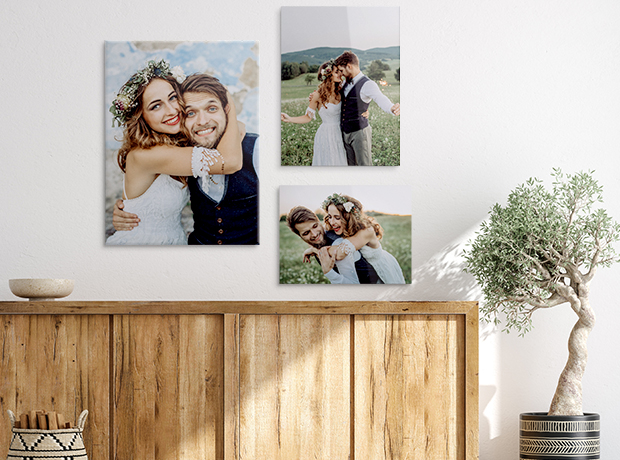
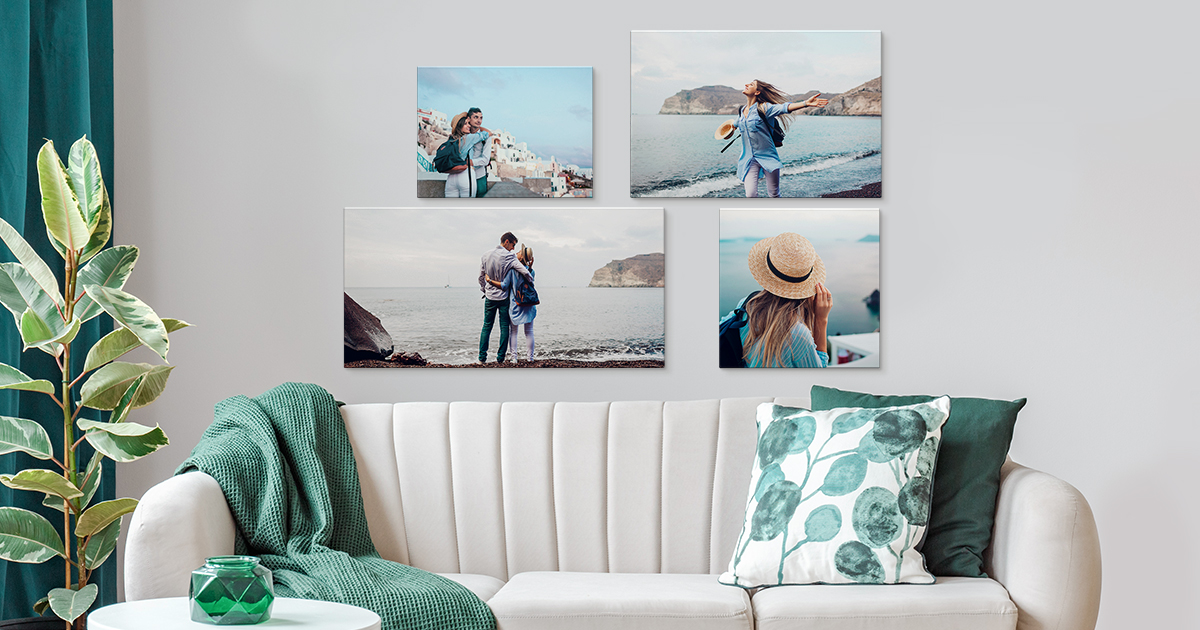
Gallery walls suit British sensibilities perfectly – they're collected rather than purchased, personal rather than generic, and can grow and evolve over time. The key to creating a successful gallery wall in a British home lies in respecting the proportions and character of your specific space. In period properties with picture rails, gallery arrangements gain particular elegance when hung from visible cords or chains at varying heights. This traditional approach suits the architectural style and allows easy rearrangement. Consider mixing frame styles but maintaining a cohesive colour palette in the frames themselves – all black, all gold, or all natural wood creates unity whilst allowing variety in content. For British rooms, where walls are often interrupted by doorways, windows, and architectural features, gallery walls can work around these obstacles. Think of the wall as a whole canvas, incorporating the negative space around features into your overall composition. Content matters as much as presentation. British gallery walls often mix family photographs with artwork, travel memories with meaningful quotes. This personal approach reflects our cultural appreciation for the collected and curated rather than the mass-produced.
Decorative Wall Panels: Adding Architectural Interest
Decorative wall panels offer fascinating possibilities for British homes, whether adding character to modern properties or complementing existing period features. The British love affair with panelling dates back centuries, and contemporary interpretations allow this tradition to continue. In period properties, new panelling should respect existing features. Wainscoting-height panels beneath picture rails maintain appropriate proportions. Full-height panels suit grander Georgian spaces. The key is ensuring new elements feel like natural extensions of the architecture rather than obvious additions. Modern British homes benefit enormously from the texture and dimension panels provide. A single accent wall transformed with geometric or sculptural panels creates the architectural interest that newer properties often lack. Consider materials carefully: wooden panels bring warmth to north-facing rooms common in British homes, whilst white or light-toned panels maximise light in darker spaces. Three-dimensional panels cast interesting shadows as daylight moves across them – particularly effective in Britain where changing light conditions throughout the day create constantly shifting effects on textured surfaces.
Sizing for British Proportions
British rooms tend toward more intimate proportions than their American counterparts, and wall decor sizing should reflect this. Oversized pieces that might suit a spacious American living room can overwhelm a typical British lounge. A helpful starting point: measure your largest uninterrupted wall space, then select artwork that fills roughly half to two-thirds of that width for a single statement piece. This ensures impact without overcrowding. For rooms with standard 8-foot ceilings, vertical pieces often work better than very wide horizontal ones. They draw the eye upward, creating an impression of height without overwhelming the space. In rooms with higher period ceilings, larger pieces become possible, but always consider furniture scale too. Above sofas, the two-thirds rule applies: artwork should be approximately two-thirds the sofa's width. For British three-seater sofas (typically around 200cm), this means artwork roughly 130cm wide. Above smaller two-seaters, pieces around 80-100cm work well.
Light and Colour Considerations for British Homes
British light deserves special consideration when selecting wall decor. Our northerly latitude means softer, more diffused daylight than sunnier climates, and many rooms face north or are shaded by neighbouring properties. For north-facing rooms, artwork with warm tones helps counteract cooler natural light. Rich reds, oranges, and yellows create psychological warmth even when actual sunlight is limited. Avoid very cool-toned blues and greys that might emphasise the lack of warm light. South-facing rooms enjoy Britain's best light and can handle cooler colour palettes or high-contrast black and white photography. Be mindful of direct sunlight damage though – canvas and paper prints can fade over time if consistently sun-struck. British weather creates constantly changing light conditions. Consider how your wall decor looks at different times of day and in different seasons. Textured pieces like canvas prints or decorative panels interact beautifully with shifting light, whilst glossy surfaces can create problematic glare from windows. Artificial lighting matters too. Picture lights, adjustable spotlights, or even carefully positioned table lamps can dramatically enhance wall decor during dark winter evenings when we spend more time in our living rooms.
Transform Your British Living Room Today
Ready to give your living room walls the British touch they deserve? Begin with a statement canvas print that works beautifully in period and modern homes alike. Acrylic prints offer contemporary sophistication, whilst aluminium prints suit industrial-inspired spaces perfectly. Create a personalised photo collage of family memories, or opt for framed prints that honour traditional British interiors.
Conclusion
British homes offer unique opportunities for wall decor – from practical picture rails to characterful chimney breasts, from intimate proportions to beautiful changing light. The key lies in understanding and respecting these characteristics whilst expressing your personal style. Start by assessing your space: note the architectural features, observe the light throughout the day, measure your walls carefully. Then select pieces that work with rather than against your home's inherent character. Whether you choose a single statement canvas above your fireplace, a collected gallery wall hung from traditional picture rails, or architectural panels that add dimension to modern spaces, let your walls reflect both your personality and the wonderful character of your British home.
Frequently Asked Questions About Living Room Wall Décor
-
Use picture rail hooks that clip over the rail, paired with adjustable wire or cord. This allows easy repositioning and protects period plasterwork. Picture rail hanging suits gallery walls particularly well, as you can adjust heights without additional holes.
-
British rooms often have more intimate proportions than American homes. For standard UK lounges, pieces 80-120cm wide typically work well above sofas. Measure your specific wall space and aim for artwork that fills half to two-thirds of the available width.
-
The chimney breast is your natural focal point. Centre a single substantial piece above the mantelpiece, slightly narrower than the mantel below. Consider heat exposure from working fireplaces when positioning artwork, and use the flanking alcoves for complementary smaller pieces.
-
North-facing rooms benefit from warm-toned artwork – reds, oranges, yellows, and warm neutrals counteract cooler light. Avoid very cool blues and greys. Textured pieces like canvas prints interact beautifully with the softer light typical of north-facing British rooms.
-
Absolutely! The contrast between contemporary artwork and period architecture creates compelling visual interest. The key is respecting proportions and placement – use traditional hanging methods where appropriate, and let modern pieces speak to rather than fight against their surroundings.